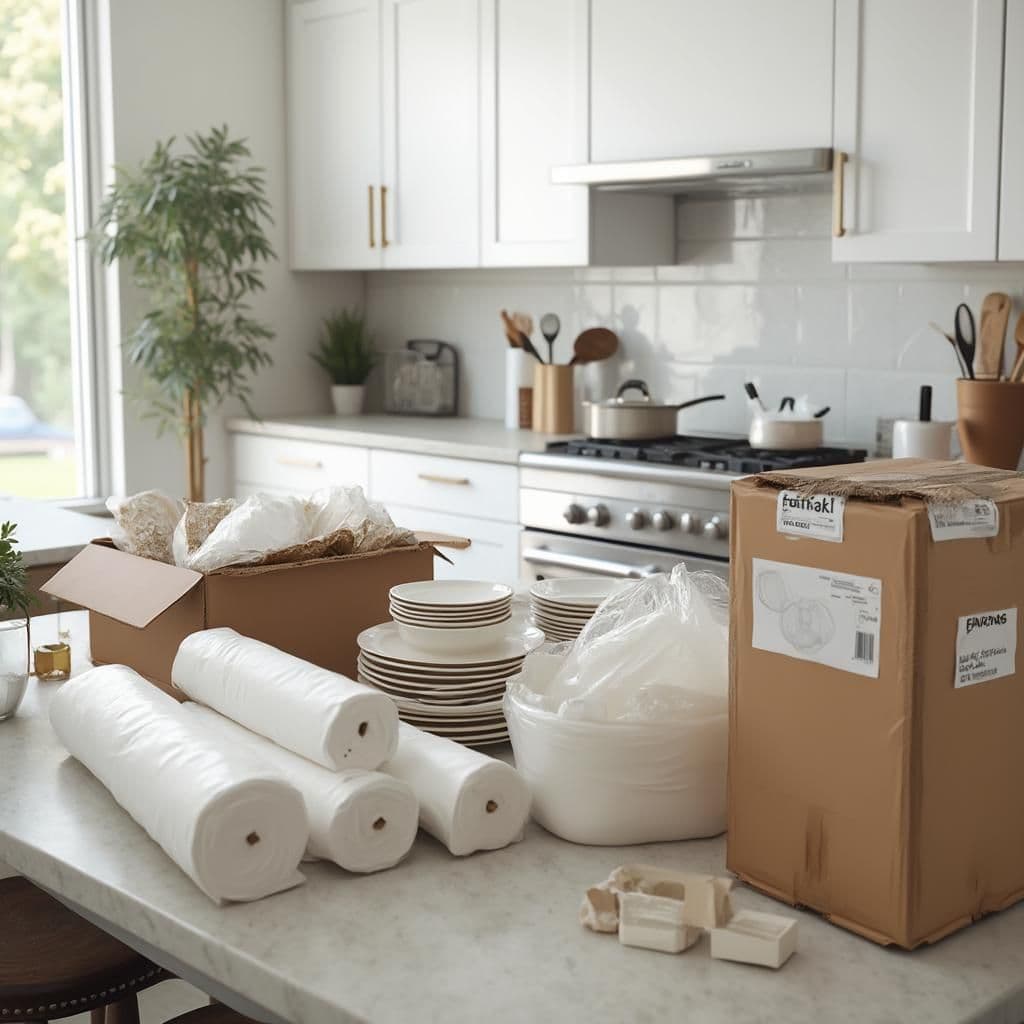
The kitchen is often the most challenging room to move due to fragile items, heavy appliances, and numerous small utensils. With proper planning and the right techniques, you can ensure your kitchen items arrive safely at your new home.
This comprehensive guide covers everything from initial preparation to final unpacking, helping you navigate the complexities of kitchen moving with confidence.
Understanding Kitchen Appliance Types
Refrigerators, ovens, dishwashers, washing machines
Microwaves, blenders, coffee makers, toasters
Gas stoves, electric ranges, cooktops
Pots, pans, dishes, glassware, utensils
Why Different Handling Requirements?
Each appliance type requires specific packing and handling techniques to ensure safe transport.
Preparation Phase: Getting Ready for the Move
Create Inventory
List all kitchen items and categorize by fragility and size
Gather Supplies
Collect boxes, bubble wrap, packing paper, and specialized materials
Clean Appliances
Thoroughly clean and dry all appliances before packing
Disconnect Utilities
Safely disconnect gas, water, and electrical connections
Professional Packing Tips for Kitchen Items
Use Original Boxes
Whenever possible, use original packaging for maximum protection
Wrap Individually
Wrap each item separately with appropriate padding material
Label Clearly
Mark boxes with contents and destination room for easy unpacking
Heavy Items Down
Place heavier items at the bottom of boxes to prevent damage
Special Considerations for Specific Appliances
Professional Movers vs DIY: Making the Right Choice
Professional Service
Expert handling, insurance coverage, specialized equipment, time-saving
DIY Approach
Cost savings, personal control, flexible timing, learning experience
Choose a Reliable Moving Company
Professional kitchen moving services with experienced handlers and proper equipment
Setting Up Your Kitchen After the Move
Clean First
Clean the new kitchen space before unpacking
Install Large Appliances
Set up refrigerator, stove, and dishwasher first
Organize Efficiently
Arrange items logically for optimal workflow
Test Everything
Ensure all appliances are working properly
Common Kitchen Moving Mistakes to Avoid
- ✗Not defrosting refrigerator in advance
- ✗Improperly securing appliance doors
- ✗Mixing chemicals with food items
- ✗Overloading boxes with heavy items
- ✗Not labeling boxes clearly
- ✗Forgetting to take photos of connections
Conclusion: Your Kitchen Move Made Easy
With proper planning and the right techniques, moving your kitchen doesn't have to be overwhelming. Take your time, stay organized, and don't hesitate to seek professional help for heavy items.
Remember that preparation is key to success. The more time you invest in planning and packing, the smoother your kitchen move will be.
Frequently Asked Questions
How far in advance should I start preparing for a kitchen move?
Start 4-6 weeks before the move date for proper planning and organization.
Should I empty my refrigerator before moving?
Yes, completely empty and defrost your refrigerator 24 hours before moving.
Can I pack food items with my kitchen appliances?
No, pack all food separately. Never pack perishables with appliances.
Do movers disconnect gas lines?
Most professional movers don't handle gas lines. Hire a licensed technician.
How do I protect my glassware and dishes?
Use dish packs, bubble wrap, and pack vertically with proper padding.